Montmartre Paris Walking Tour: Best Routes and Food Tours
Highlights
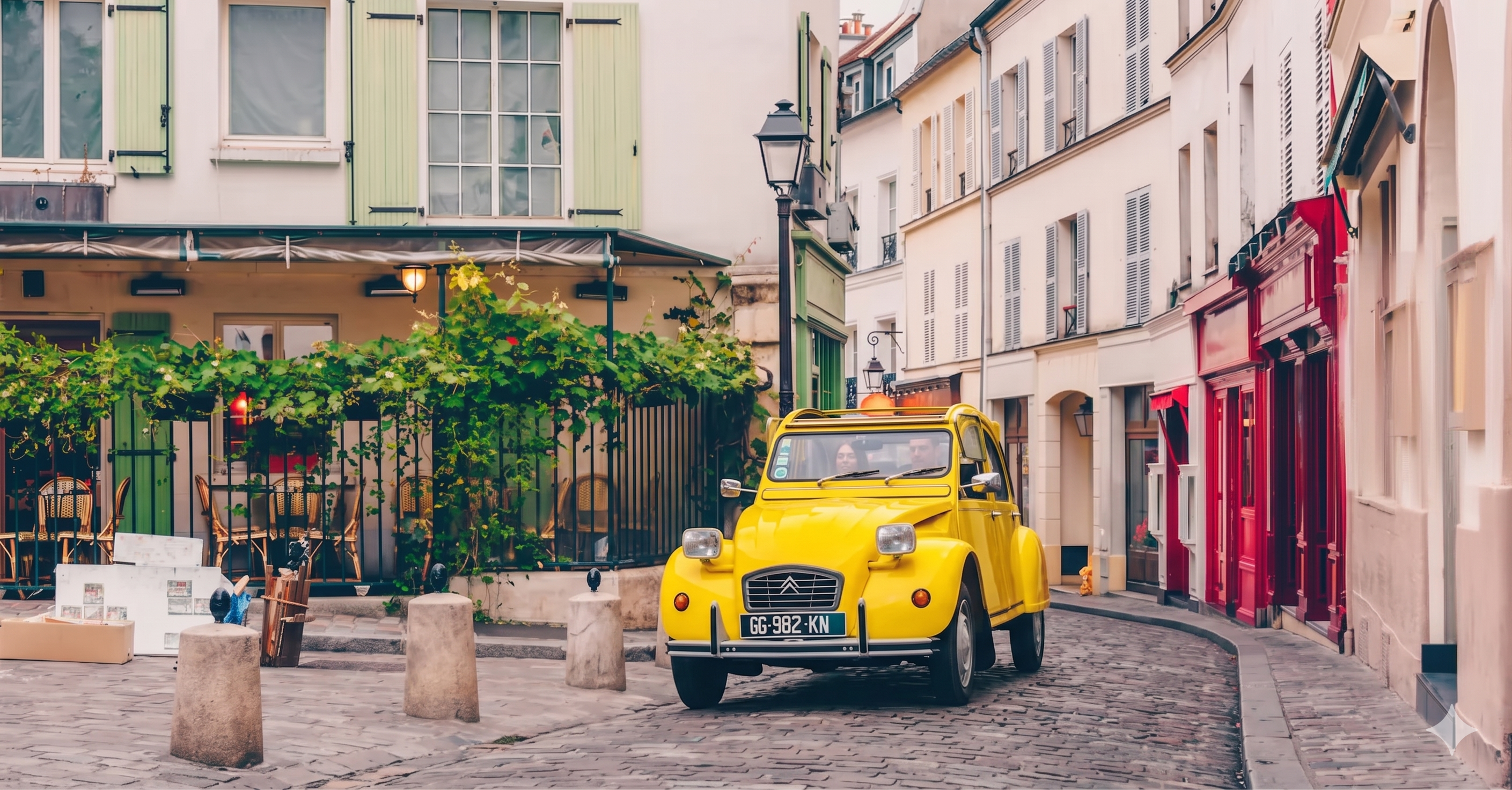
To discover Montmartre authentically, you must go beyond simply climbing to the Sacré-Cœur. This guide details the essential circuits, blending artistic heritage (Place du Tertre, historic windmills) and gastronomic immersion (Clos Montmartre vineyards, vintage bistros). While a Montmartre walking tour remains a popular option for exploring cobblestone streets, the steep topography often proves challenging. For a more comfortable yet exclusive experience, a Citroën 2CV ride with Paris Paname is the ultimate luxury alternative. It allows you to connect major points of interest without the fatigue of stairs while enjoying a personalized historical narrative. This overview provides everything you need to structure your Montmartre tour in Paris, choose your itineraries, and discover why your chosen mode of transport radically transforms your perception of this mythical village suspended above the capital.
Montmartre is not just a neighborhood; it is a microcosm where Haussmannian urbanism gives way to a maze of rustic lanes and history-filled squares. A successful Montmartre Paris walking tour requires understanding the duality between its monumental fervor and its intimate village soul hidden behind the vines. Whether you prefer a historical guided tour or a sensory exploration centered on a Montmartre food tour, every itinerary must be designed to master the hill's unique relief. This guide deciphers the essential paths and methods to experience Montmartre with elegance and authenticity.
Guide Summary
Artistic and Monumental Heritage
The discovery of the "Butte" begins with its historical foundations, où spirituality meets bohemia. We will explore the majesty of the Sacré-Cœur, the creative effervescence of the Place du Tertre, and the discreet charm of the last windmills—witnesses to a time when Montmartre was just a rural hamlet.
The Sacré-Cœur Basilica and its Viewpoints
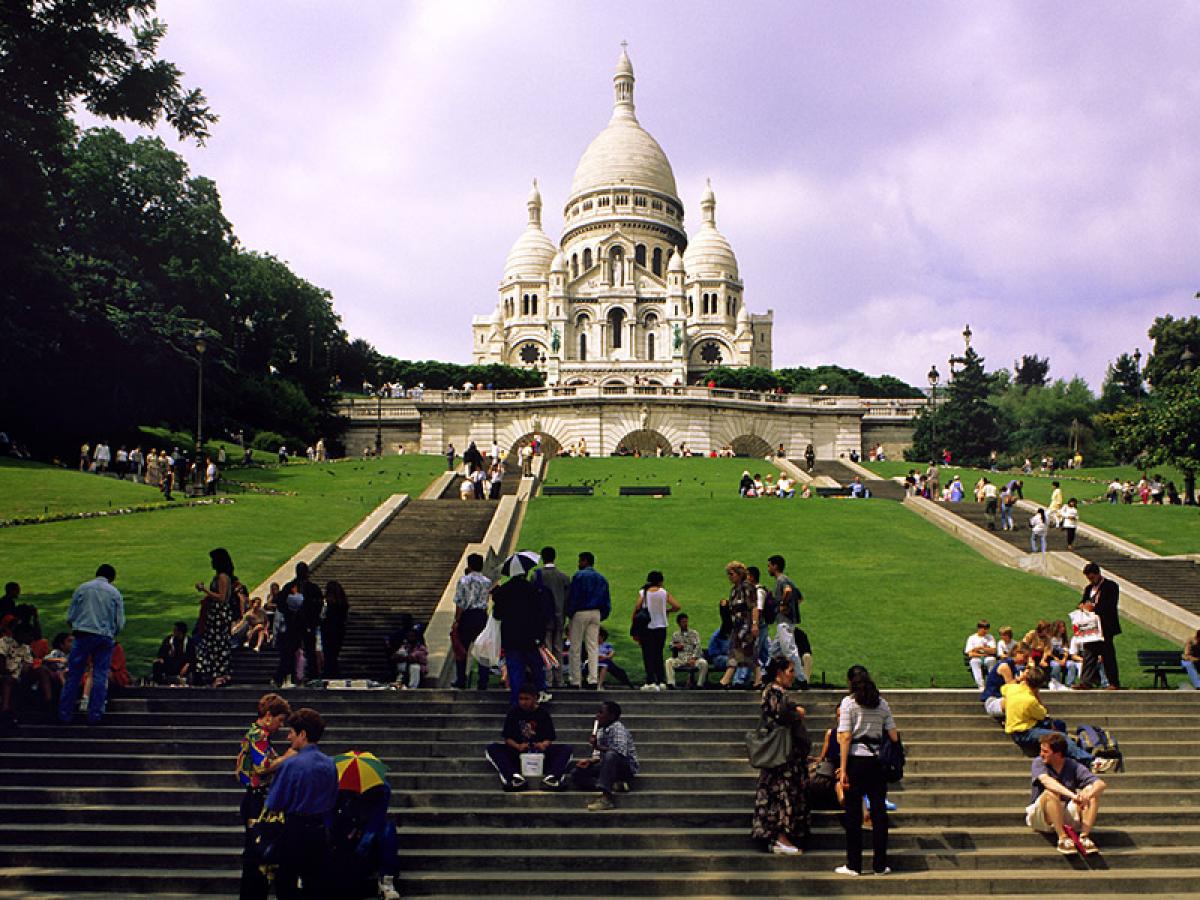
The Sacré-Cœur, with its pristine white silhouette, is the visual lighthouse of the Right Bank. Built following the events of the Commune, this Romano-Byzantine monument features a unique stone that whitens when in contact with rainwater. It is a cornerstone of any comprehensive Montmartre tour in Paris.
Beyond the building, its viewpoints offer one of the widest perspectives on the zinc canopy of Parisian roofs. It is the perfect starting point for any Montmartre walking tour, allowing you to grasp the city's structure before plunging into the narrower streets that descend toward the less-crowded north slope.
Place du Tertre: The Epicenter of Bohemia
Place du Tertre remains the nerve center of open-air art, où portraitists and caricaturistes keep a tradition alive that began in the 19th century. Although very popular, it retains a special energy, reminding us that Montmartre was once the refuge for Picasso and other masters.
To fully appreciate this spot during your Montmartre Paris walking tour, observe the architecture of the surrounding houses —former village dwellings that contrast with the luxury of central Paris. It’s here that you understand the attraction the hill held for artists seeking freedom.
Windmills and the Hill's Rural Past
The Moulin de la Galette, once a place for popular balls and conviviality, is one of the last survivors of the fourteen windmills that once dotted the hill. Its wooden structure, perched above Rue Lepic, evokes a time où Montmartre lived off its harvests and festive taverns.
Walking around these remnants allows you to visualize the Montmartre of old. These buildings serve as historical markers on a Montmartre tour in Paris, signifying the transition from the touristy summit to the quieter residential streets où old vegetable gardens can still be glimpsed.
Terroir Flavors and Gourmet Traditions
Montmartre cultives an art de vivre based on proximity and respect for products. This transition leads us to discover the historic Clos Montmartre vineyard, the local food shops, and the mythical bistros où French conviviality is still celebrated through a local Montmartre food tour experience.
Clos Montmartre and the Historic Vineyards
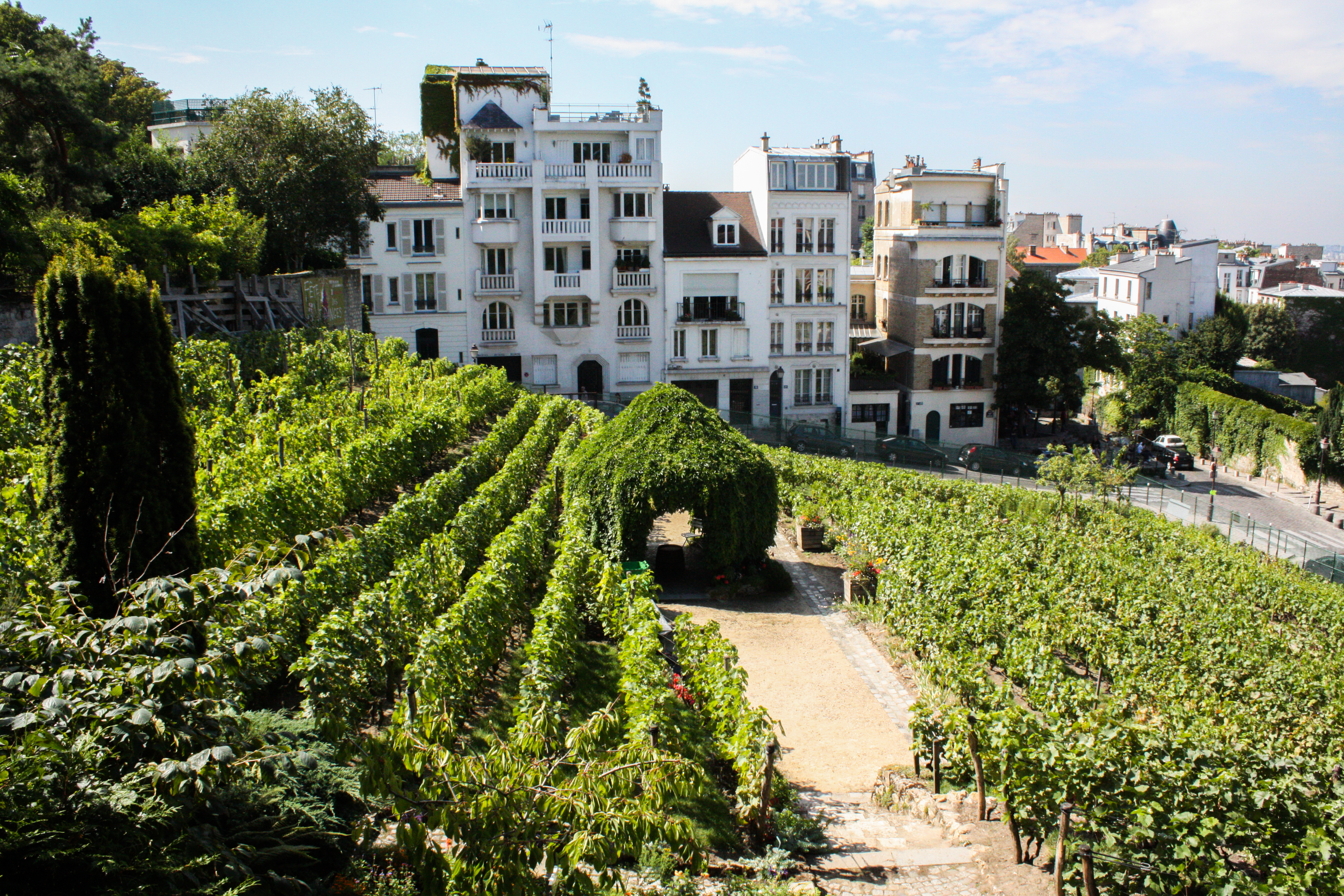
Located on the north slope, the Clos Montmartre vineyards represent an exceptional living heritage. Planted to prevent urban sprawl in the 1930s, they today produce a limited vintage that symbolizes the village's resistance against the metropolis.
Admiring this steep vineyard is an essential step for any serious Montmartre walking tour. It offers an unexpected bucolic breath, reminding us that the hill has its own microclimate and its own temporality, dictated by the rhythm of the seasons rather than the bustle of the boulevards.
Local Craftsmanship: Fromages and Patisseries
Shopping streets like Rue des Abbesses house gastronomic gems: aged cheese shops, award-winning bakeries, and fine delis. A successful Montmartre food tour allows you to taste the diversity of French terroir without leaving the 18th arrondissement, prioritizing products selected for their craftsmanship.
These stops are the perfect opportunity to meet passionate shopkeepers. It is in these interactions that the true identity of the neighborhood reveals itself—a community united around a lifestyle that values slow food and the pleasure of authentic culinary sharing during your Montmartre tour in Paris.
Historic Bistros and the Art of Coffee
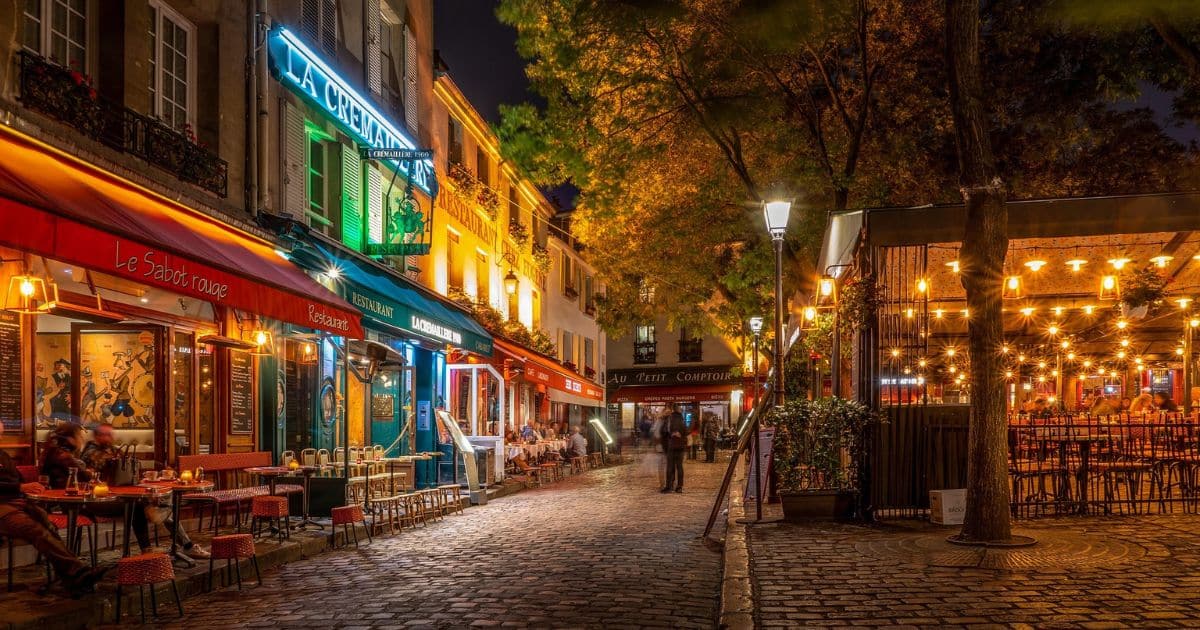
The Lapin Agile or the Maison Rose are not just movie sets; they are establishments that have seen the literary history of Paris pass by. Stopping at a traditional bistro allows you to enjoy terroir cuisine while soaking in a cozy atmosphere filled with centuries-old anecdotes.
The experience of a Montmartre café is inseparable from a classic Montmartre Paris walking tour. It offers a necessary break to digest historical information. It’s the moment when you soak in the spirit of the place, perhaps chatting with a local while contemplating the light on the colorful facades of Rue de l'Abreuvoir.
Practicality: Succeeding in your Hill Itinerary
To transform a simple walk into a memorable experience, mastering the neighborhood's logistics is essential. Leaving classic pedestrian approaches behind, we will see how a 2CV excursion solves physical constraints and provides a prestigious alternative to a standard Montmartre walking tour.
The Luxury Alternative: 2CV with Paris Paname
The topography of Montmartre, famous for its endless stairs and steep slopes, can quickly become exhausting. Opter for a ride in a vintage Citroën 2CV with Paris Paname allows you to bypass these physical constraints while enjoying a legendary vehicle that is part of French heritage.
- Comfort & Panoramic Views: The convertible roof lets you admire the tops of the facades and the Sacré-Cœur without effort.
- Exclusive Mobility: The 2CV accesses the narrowest cobblestone streets où modern vehicles are often prohibited.
- Bespoke Storytelling: Your private driver does more than just drive; they share the secrets of the hill in an intimate setting.
This solution is the perfect upgrade for anyone tired of a standard Montmartre tour in Paris.
Structuring your Visit: Maps and Routes
Using a well-thought-out map is crucial to avoid exhausting yourself in pointless detours. A good itinerary must balance ascents and descents, passing through strategic rest points while ensuring a visit to the neighborhood's major sites during your Montmartre Paris walking tour.
Planning your circuit ensures you don't miss less obvious curiosities, such as the "I Love You" wall or hidden busts in small squares. Intelligent navigation maximizes time spent contemplating rather than searching for your way in the labyrinth of paved streets.
Professional Guided Tours vs Autonomy
While autonomy offers some freedom, it souvent confronts the visitor with crowds and a superficial understanding. A professional Montmartre tour in Paris, on the other hand, provides the keys to decoding architectural symbols and understanding the social stakes that shaped the neighborhood.
For a high-end experience, the private format is unbeatable as it adapts to your interests. Que you are passionate about art history, a Montmartre food tour, or simply seeking a romantic moment, personalized accompaniment ensures deep immersion and total serenity throughout your journey on the hill.
Summary of your Montmartre circuit
| Category | Points of Interest | Main Benefit |
| Culture & Art | Place du Tertre, Sacré-Cœur | Immersion in bohemian history |
| Gastronomy | Clos Vineyards, Rue Lepic | Discovery of French terroir products |
| Transport | 2CV Circuit (Paris Paname) | Private comfort, 360° view, zero fatigue |
| Relaxation | Hidden gardens, Windmills | Calm and charm of an authentic village |