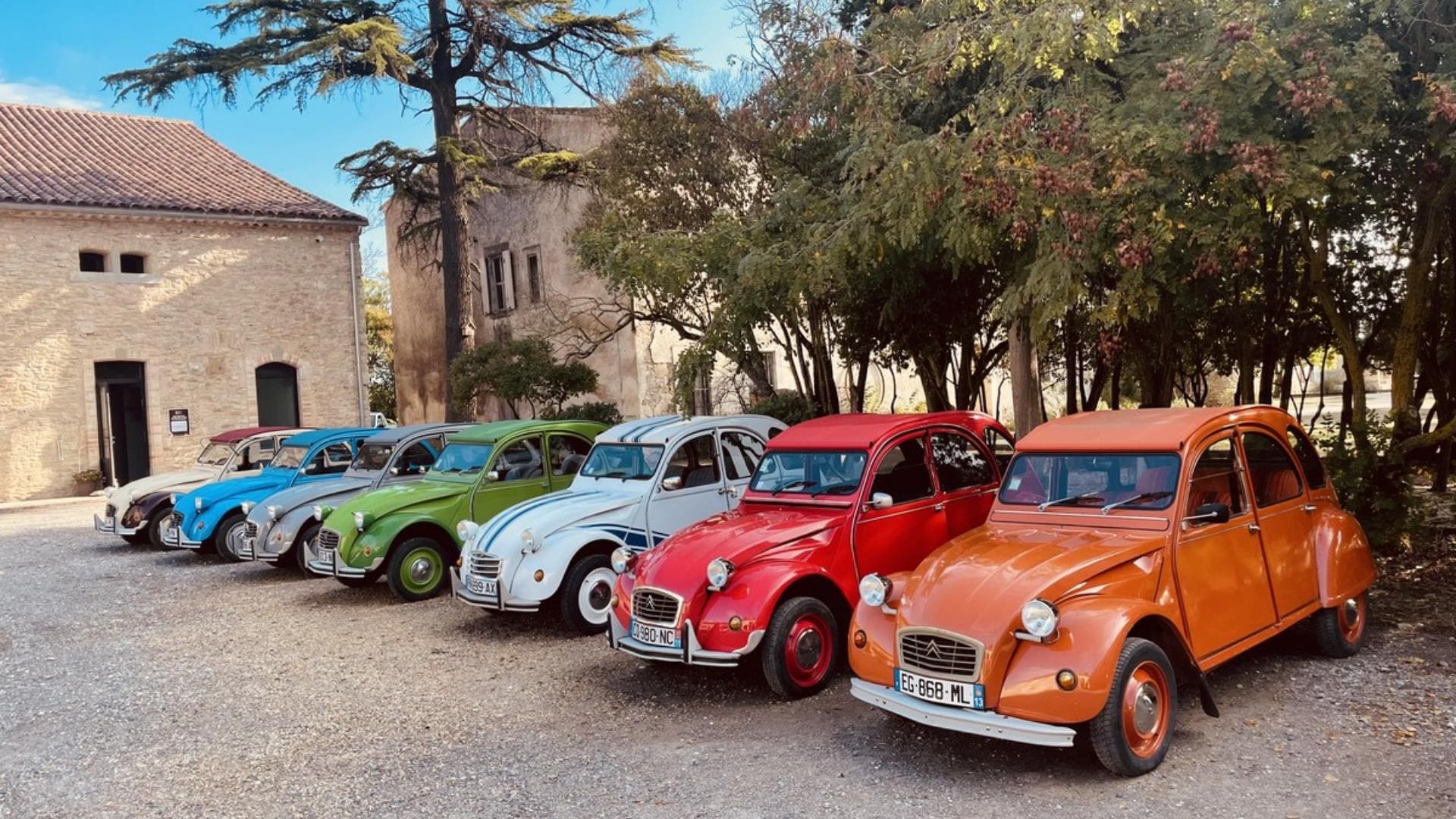
History of the Citroën 2CV: From People's Car to Parisian Icon
Key Takeaways
Secretly designed in the 1930s to motorize the French countryside, the Citroën 2CV braved the war to become a global success. From its mechanical evolutions to its status as a cultural ambassador, it continues to make history today through exceptional sightseeing tours in the heart of Paris.
A true monument of French industrial and cultural history, the Citroën 2CV embodies a unique way of life. Discover how this economical and ingenious automobile became a timeless icon of our national heritage.
Table of Contents
The Secret Genesis of the Mythical Citroën 2CV
Before becoming a global emblem, the famous little Citroën had to overcome huge challenges. Discover the behind-the-scenes story of its clandestine creation, marked by the audacity of visionary designers.
The TPV Project: The Birth of a New Concept
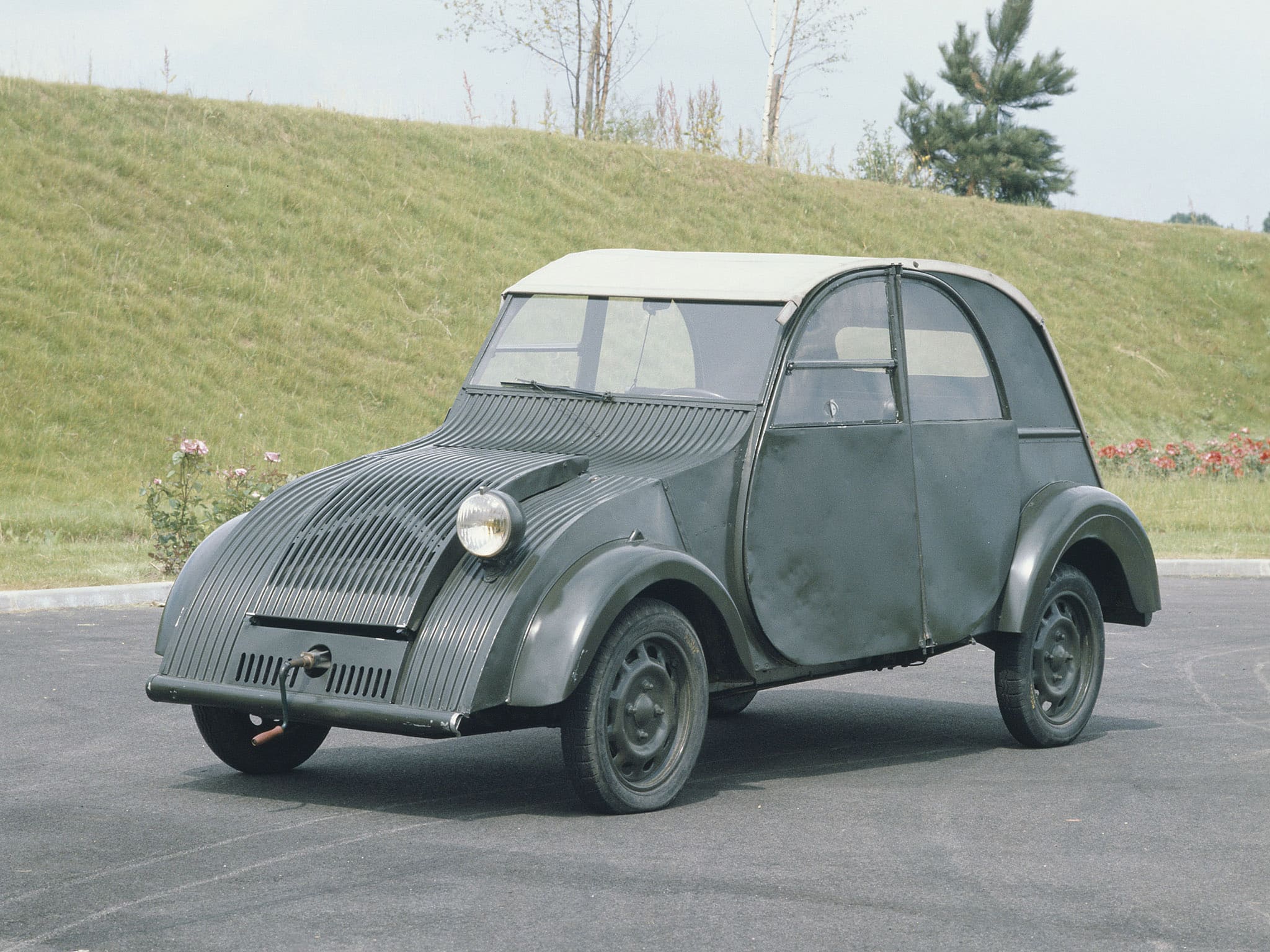
In the mid-1930s, the automotive industry was focused on expensive models that were inaccessible to the working classes. In this context, Citroën secretly launched the TPV project, standing for "Toute Petite Voiture" (Very Small Car). The leaders' ambition was to design a minimalist, affordable, and robust vehicle, capable of motorized transport for a rural population still dependent on horse-drawn carriages.
The car's aesthetics were secondary, with every line dictated by requirements of economy and practical efficiency. The ingenuity of this initial concept echoes many unusual anecdotes that dot the history of the capital and its transportation. This bold gamble would lay the foundations for an unprecedented popular success in automotive history.
Pierre-Jules Boulanger's Unusual Specifications
The president of Citroën, Pierre-Jules Boulanger, imposed technical requirements that have remained legendary for designing this new kind of model. The vehicle had to carry four people and fifty kilograms of luggage at sixty kilometers per hour, while consuming very little fuel. Above all, its suspension had to allow crossing a plowed field with a basket of eggs on the seat without breaking a single one.
To meet this unlikely challenge, the engineering team developed bold technical solutions that broke with the standards of the time. Among the most striking compromises of this absolutely rigorous specification, we notably remember:
- A simple, air-cooled twin-cylinder engine to avoid complex breakdowns.
- A lightweight body using corrugated sheet metal to maximize rigidity.
World War II and the Hidden Prototypes
In September 1939, as the official presentation of the future Citroën approached, war broke out in Europe. Categorically refusing to let its technological innovations fall into the hands of the occupying forces, the management ordered the dismantling of the assembly line. Existing prototypes were then hidden or destroyed to protect this industrial secret, which was highly strategic for the company's future.
Three pre-production units were thus hidden in the attics of the Ferté-Vidame testing center, remaining invisible throughout the Occupation. This safeguarding helped preserve the historical heritage now valued by the L'Aventure Citroën association through its public exhibitions. Thanks to this resistance, engineers were able to perfect the mechanics in the shadows while waiting for better days.
Technical Evolution and Post-War Popular Success
Presented to the public after years of secrets, the Citroën 2CV began a dazzling career. Discover how it went from technical curiosity to a true societal phenomenon.
The Official Presentation at the 1948 Paris Motor Show
On October 7, 1948, Citroën finally unveiled its 2CV Type A at the Paris Motor Show, under the dome of the Grand Palais. The initial press reception was icy, with some openly mocking its unusual silhouette and extreme simplicity. However, this innovative car immediately piqued the curiosity of a public won over by its promise of freedom and economy.
Once the surprise passed, order books filled up at a dizzying speed, surprising the brand itself. Waiting times quickly grew to five or even six years, as delivery priority was given to country doctors, priests, and farmers. This historic craze is widely documented in the archives of the famous Paris Motor Show (Mondial de l'auto), which retraces the great moments of the automobile.
Key Stages of Mechanical Evolution
Over the decades, the rustic mechanics of the Citroën 2CV benefited from numerous improvements without ever betraying its legendary simplicity. Its famous air-cooled twin-cylinder engine progressively went from an initial displacement of 375 cc to 425 cc, and then to 602 cc on later versions. These successive evolutions allowed the car to adapt to the requirements of modern traffic of the time.
Alongside these power gains, Citroën diversified its offerings by creating versions tailored to all professional uses. The AZU van version thus became the essential ally of craftsmen and delivery drivers thanks to its large storage space. Even more surprising, the mythical Sahara version with four-wheel drive featured two separate engines to cross the most difficult dunes.
Chronology of Emblematic Models
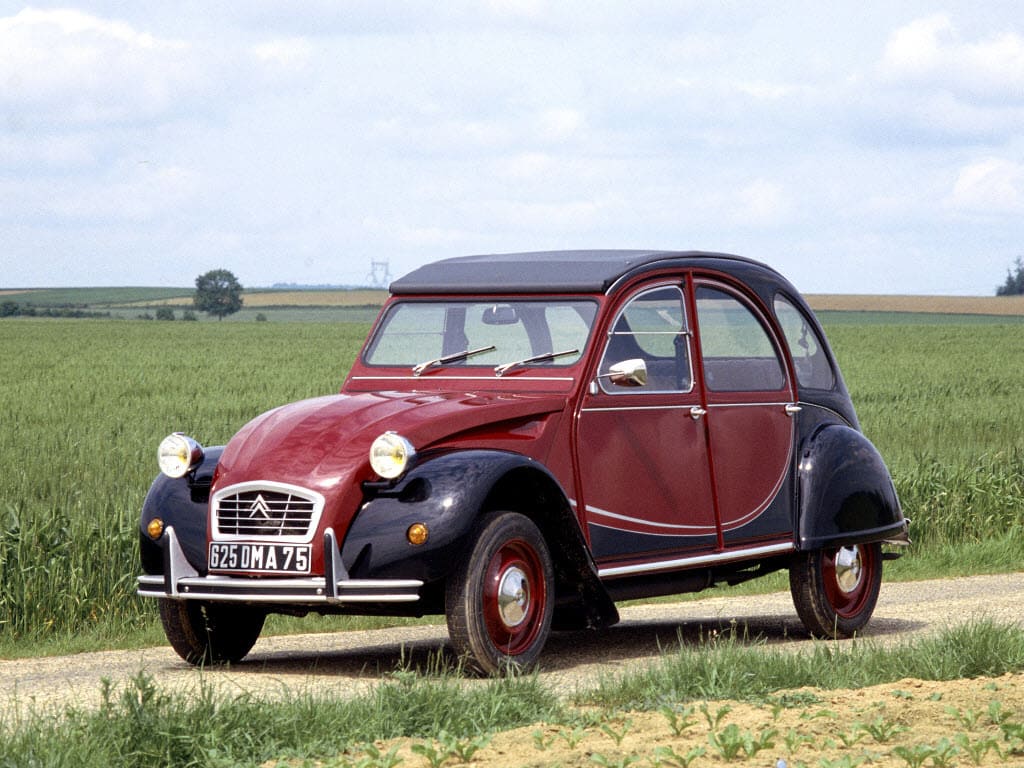
To better understand the exceptional longevity of this popular car, it is worth observing its chronology through its most notable versions. Each decade brought its own aesthetic or mechanical novelty, transforming the rural work tool into a trendy leisure vehicle. This metamorphosis was accompanied by the appearance of bright colors and limited editions that have now become highly sought-after collector's items.
The summary table below presents the major milestones that shaped the manufacture of the French people's favorite sedan over more than forty years. From the rustic post-war Type A to the elegant two-tone Charleston, each generation testifies to a unique industrial genius. This chronology shows how a minimalist model managed to cross eras without ever showing its age.
Cultural Heritage and the Modern Renaissance of the Deuche
Long after production ceased, the famous sedan continues to capture the hearts of enthusiasts. Explore its cultural impact and its new life in high-end tourism.
A Timeless Symbol of the French Art de Vivre
The 2CV quickly transcended its role as a simple means of transport to become a true myth of French identity. It symbolizes a certain philosophy of life, made of simplicity, lightheartedness, and freedom regained after dark years. Its friendly appearance and accessibility made it the reflection of an optimistic, warm France, resolutely turned towards social progress.
This deep attachment translated into a prominent presence in popular culture, leaving its mark on the cinema of the post-war boom years. From its memorable appearances in the hands of Bourvil in classic comedies to international cameo roles, it embodies a poetic nostalgia that is highly seductive worldwide. It remains the privileged witness of an era full of gentleness.
Rediscovering Paris with Paris Paname Tours
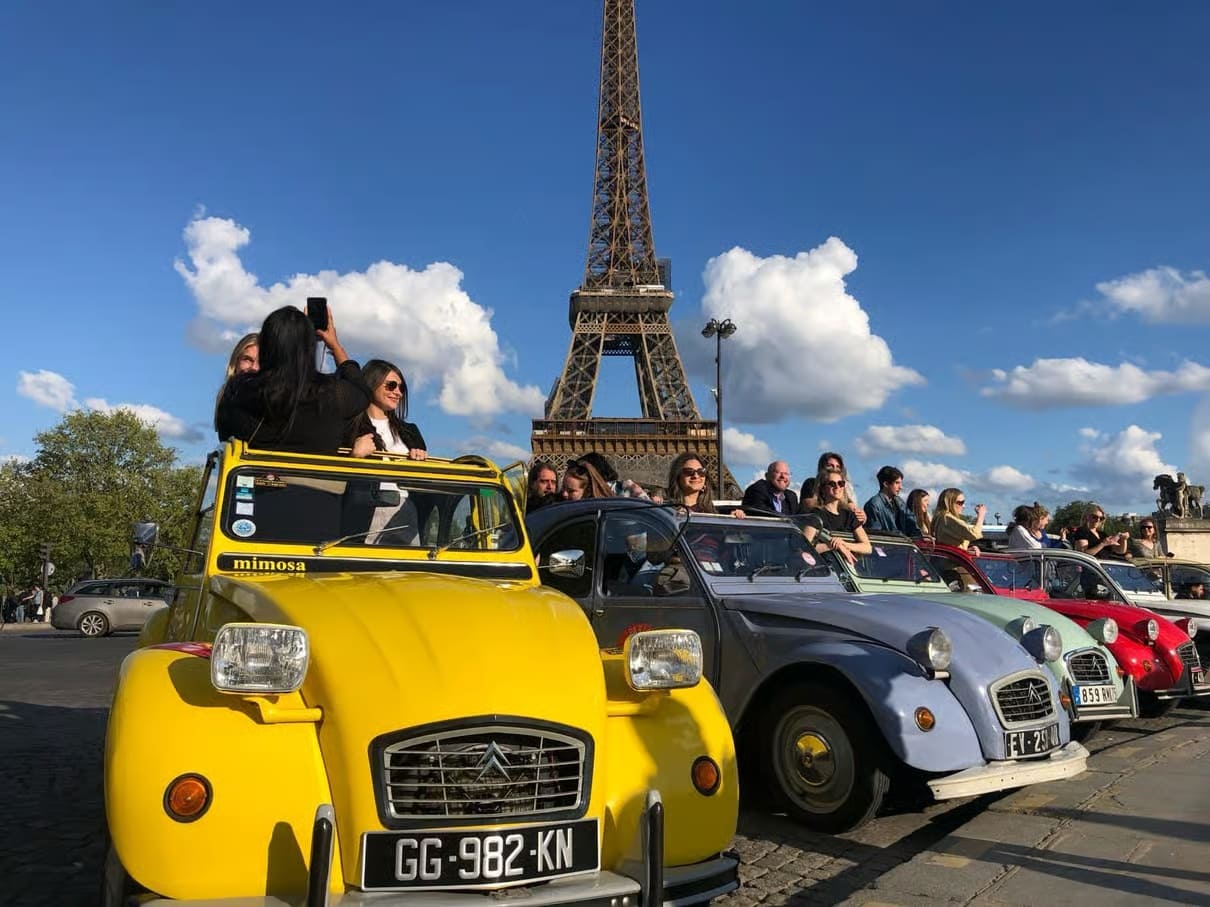
Today, this automotive icon enjoys a second youth by becoming the preferred means of exploration for travelers seeking authenticity. Gliding over Parisian cobblestones comfortably installed on the soft bench seat of a restored model allows you to contemplate the capital's monuments from an unusual angle. This unique sensory experience instantly awakens the poetry of a timeless and elegant Paris.
Enthusiastic drivers gladly share the history of each district visited, transforming a simple ride into a living historical journey. Whether to celebrate a special occasion or to contemplate Paris illuminated by the glow of historic street lamps, various custom formulas adapt to all wishes of discovery:
- The crossing of major squares and avenues for a complete architectural panorama.
- The confidential getaway through the steep, artistic streets of the Montmartre hill.
- The romantic stroll along the banks of the Seine at nightfall.
The Rise of the Collector and Enthusiast Community
Although production lines definitely stopped in the 1990s, the love for the little Citroën remains intact. A huge community of dedicated collectors is organized across the globe to restore, maintain, and drive these mechanical gems. Local clubs organize Sunday drives and swap meets for original parts to keep the fleet running.
These festive gatherings testify to a transgenerational passion where first-generation nostalgics rub shoulders with young lovers of retro objects. This associative dynamism preserves precious mechanical expertise and guarantees that the familiar silhouette of the Deuche will continue to brighten our road landscapes for many decades. Its survival is assured by this transmission passionnée.